Hidden Memory Status Update

A brief status update today on my path to publication!

I wrote previously on my findings on alpha readers, and Hidden Memory (book 1) has been out with my expanded alpha reader list for more of this initial feedback. My work of late has been on filling out some of the gaps in book 2 of the series. I finished my run at it this week and will be moving back to addressing the new feedback on Hidden Memory.

Before I jump into this round of editing, I am researching some of the administrative/business work. Some of this was speaking with an accountant about how the taxes would work and if I would need a new LLC for selling my books and doing state taxes. While I am still debating on the LLC part, I will need to do business under my name and pay B&O taxes. Based on the thresholds, I think I will only have to file those taxes annually. Unless all of you spread the word so thoroughly Hidden Memory hits the top of the charts right out of the gate. Crazier things have happened.

The publication checklist I received through some friends gives me a lot to think about for action items to complete soon. I have been focusing on frontmatter and backmatter. This work has been reading example acknowledgments and about the author sections in preparation for writing mine with the names on my acknowledgment list. This location also has good information on copyright pages that I have found useful for the frontmatter.

Feedback from a couple of alpha readers indicates a map would be helpful, so I am looking into a simplified version of the Inkarnate map I maintain for my use during writing to include at the front of the book. It will need a note about a cartographically challenged author and distances being more accurate as written than drawn. At least it will be directionally accurate. I also enjoy maps in books I read. The final map will need experimentation on how it translates into the e-book, but I have some time to verify.

One decision I am debating is the second format to target for publication. Do I look at turning the e-book into a physical book or an audiobook? Both have their merits, and over time I will likely get to both, but I think I only want to tackle one at a time. If you have any preferences or thoughts on this question, I would love to know what those are and your reasoning.
Lazy Weekend

This past week was relatively relaxed, and that carried into the weekend. My nephew’s baseball game had a time change that was not well communicated among the opposing team’s parents, so only two players were on time. Instead of a game, they ended up playing against those two along with a handful of parents in a game/batting practice.

My husband and I did not hang around for that. Don’t judge us. It was colder than expected, and we are just the aunt and uncle. He did wave to us, so he saw us there supporting him. We do want him to have the support he can take with him as he grows up.

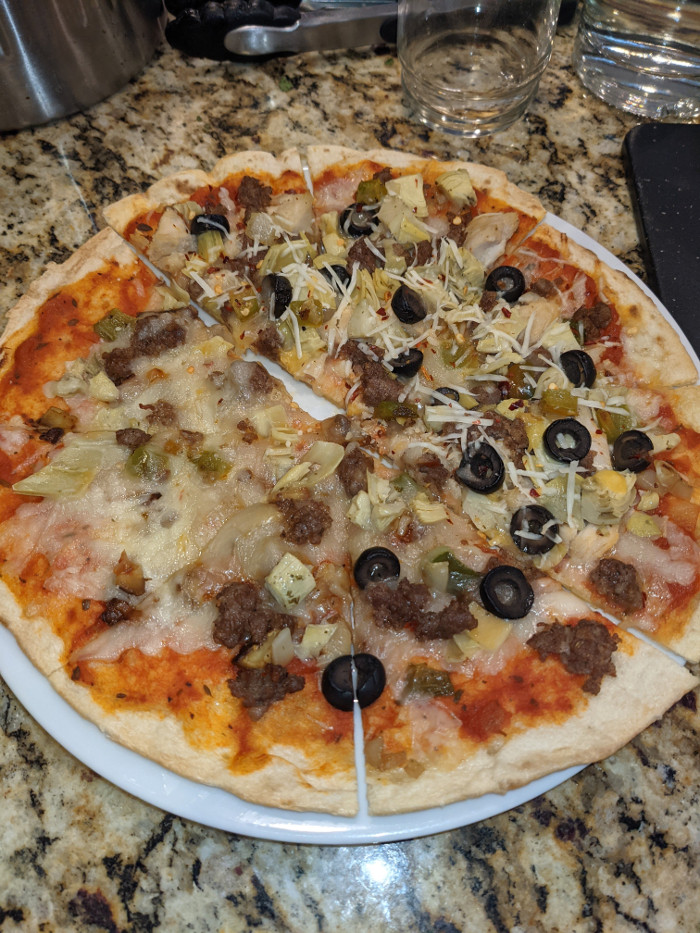
Sunday, we scheduled a homemade pizza lunch with my sister and the kids. I had purchased some pre-made crusts earlier in the month. We cooked up some topping and shredded a variety of cheese. Of course, my niece only wanted cheese. My nephew was daring enough to add some chicken to his half. I thought they turned out pretty good for a fun and relatively easy meal.

Mine has ALL the toppings!

Beyond that, I have been at my computer most of the weekend. I am editing book two while waiting for this round of readers to finish up book one for me to run through it again. Book two will pass to my alpha readers once I finish this revision.

Between chapters, I also put in some Dungeon Master time. I am running Waterdeep: Dungeon of the Mad Mage, and we are rebooting the campaign in June now that everyone in the group is vaccinated. I am reading through the book again and updating Realm Works with some additional notes. My DM style is to have a lot of prep and helper files to try to make the world real for my players. It helps me with improv in-session by having potential options at hand when the players do something crazy.

I am excited to get started again. The reboot session in June will not be new material. We want a refresh of the first session a year ago. I have planned some mock encounters to get everyone back in the RPG habits. There will be so much side chatter getting to visit again that introducing new material would only frustrate me. Instead, it will be prep, practice, recap, and hanging out. I will be sure to share some of the mock encounter antics after the session!

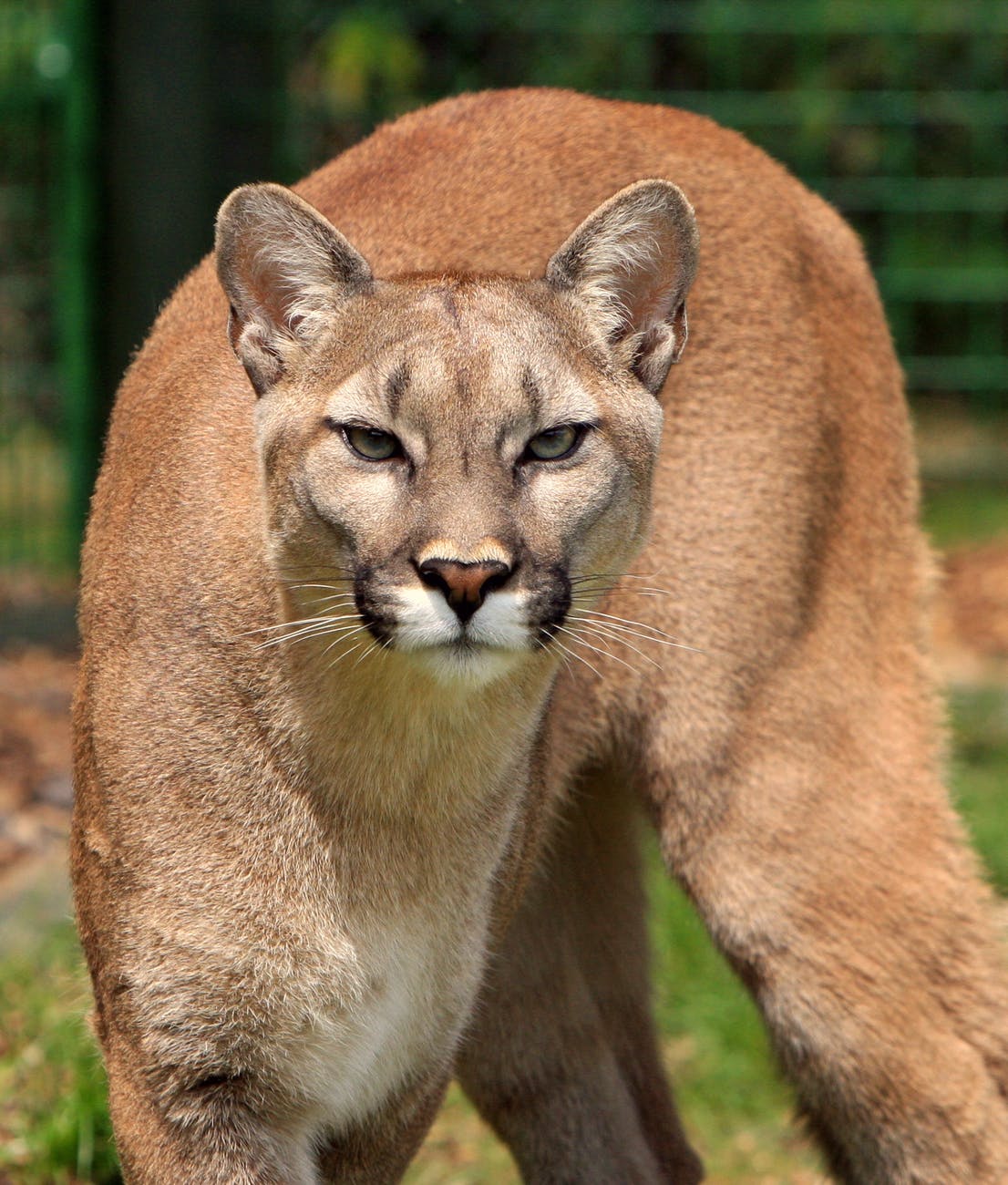
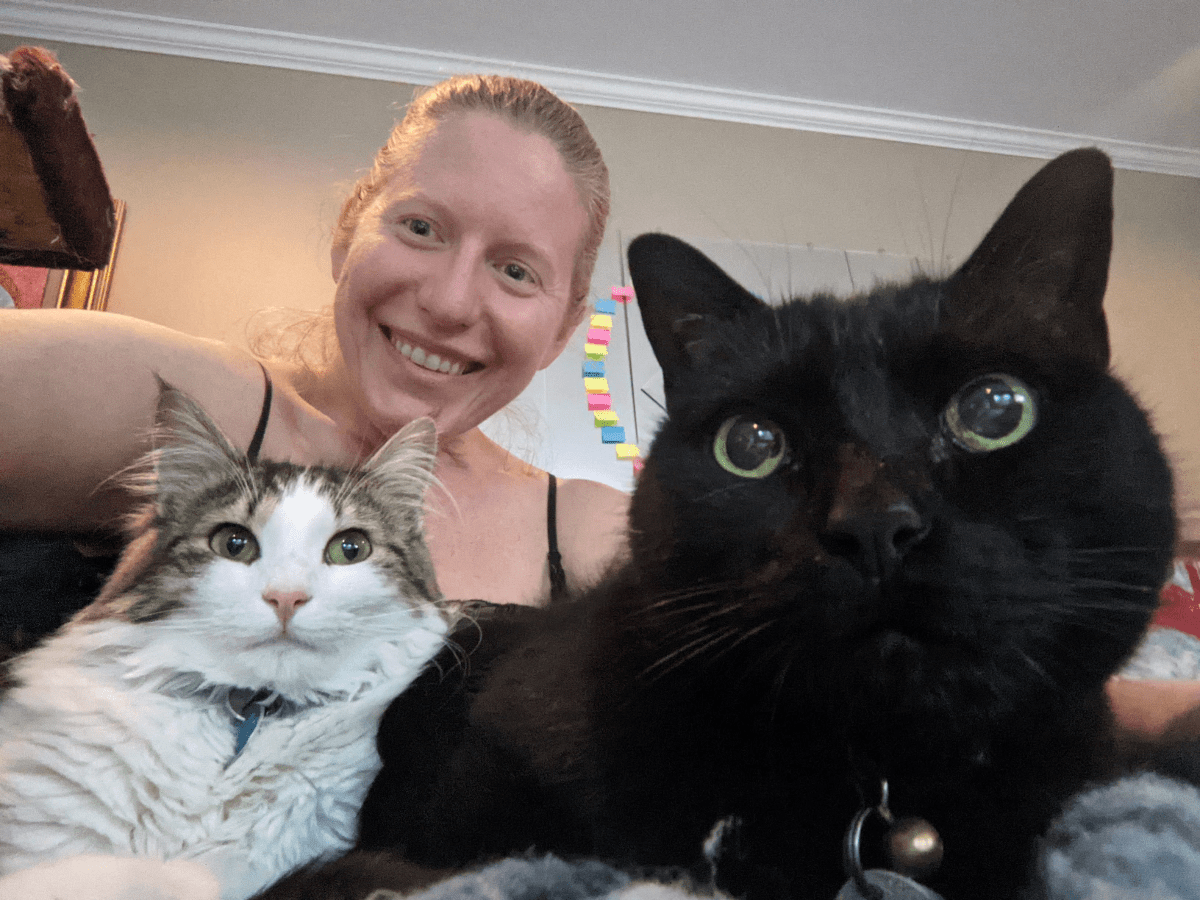
Big Cat, Little Cat, and I all hope you had a great weekend. Until next time!

A New Threat

Her body told her it was time for another break. They were demanded more and more frequently, and she suspected the beginning of a fever. She eased herself to the ground and off her cut and blistered feet, taking as much care as possible for her other bruises, breaks, and lacerations. When her rear finally touched the ground, she was breathing more heavily from the effort than from simply walking along. Once it was done though, and she lay still, her aches and pain became a pulsing numbness. 

Were it not for the healing ribs, she would have heaved out a sigh of relief, but she wondered if she was actually feeling better or worse. Moving up her body, she consciously worked to relax every muscle. Calves, then thighs. Tighten. Relax. Butt. Abs. Her efforts aborted at her shoulders. Every muscle tensed suddenly at a new noise coming from behind. Skin prickled as every hair stood on end. Something instinctual told her this sound was very bad. There were ticking, or clicking, noises along with what she would best describe as many scurrying legs. Her stalker hissed and growled at this new player. 

Perhaps my stalker found other prey? No, she is an ambush hunter. This hissing and growling is defensive posturing. With that thought, a more disturbing question arose. What would be attacking a natural predator? 

Whatever it was could not be good for her. Any doubt the cat was the one in trouble vanished with an eruption of yowling cries cut suddenly and sickeningly short. The cat was not well-fed and might not keep this new hunter – or hunters? – sated for long. This was the reason the forest was so barren. The thought washed over her with uncomfortable certainty. Fear and panic, so long held at bay, surged to the fore and held her paralyzed. 

The world froze with her. Nothing moved, nothing sounded in the woods as she held her breath, her eyes darting from shadow to shadow. The shuffling resumed and threw her fear up another level, but it also startled her into action. With teeth clenched against groans of pain, she pushed back to her feet and set off at a rapid pace. 

Sometime between fighting down the fear of her pursuers and the pain drilling into her deeper with every step, the sun finished its course through the sky. The chill settling in was simply another minor discomfort, but she could not continue in the complete darkness descending. It would be hours before the moon rose enough for her to travel safely, if she was able to continue at all. She found tears on her cheeks she had not even known she shed. Her body betraying the agony her mind denied. It lanced through her with the effort to lower herself into a resting position. Exhaustion, rather than relaxation pushed her drifting into blackness.

Alpha Readers – Requirements May Vary

Initial feedback from the beta reader experience has shown me that my expectations for alpha and beta readers are not entirely accurate. It also showed me that my research and the information out there on these two roles is not entirely consistent. Before I expand upon my own thoughts, focusing on alpha readers, information I researched came from these sources:

Catherine Milos’s summary is the closest to my own experience and expectations in the comparison between the two roles with this description (I encourage you to take a look at all the articles):

  • “Alpha Readers assist writers by offering a reader’s perspective for a manuscript after an initial draft. The manuscript often has not been edited. It’s not uncommon for an Alpha to read before the author edits the first draft.
  • Beta Readers assist writers by offering a reader’s perspective for a manuscript which has been edited and is shortly due for publication.”

Some of the articles call out that alpha readers look at your manuscript from the perspective of a writer, looking for plot holes and writing issues. While beta readers look at it from a reader perspective looking for what they like and do not like.

My Findings on Alpha Readers

My greatest area of confusion in my first run through this process is around editing. I plan to hire a copy editor for my book before publishing, so I was not as concerned with that aspect before requesting beta readers. I have someone I consider my alpha reader looking for plot holes and character development issues. Upon rewrite I do another review for editing purposes. Unfortunately, I have read my own work so many times that some grammar is just overlooked. This was more of a distraction for some of the beta readers than I initially anticipated.

I know copy editing is not my strength, so I need to adjust my process to compensate. This includes adjusting how I approach alpha and beta readers to better accommodate my style and skills. My sister is my first reader, and will continue to do so. While she will also be a beta reader, I call her my first reader as well because she takes a look at my rough draft. This is the draft where I jump from scene to scene and do not have the secondary characters as well developed as they need to be. The first read for me is: Does the story work? Which characters are standing out and which are bland? What are the big plot holes or world building aspects that are not making sense? These give me some broad brushes to fill in when I go for the initial rewrite to smooth out the rough edges in preparation for a true alpha read.

The second step for me is the alpha reader. First lesson: I need more than one. No matter how much feedback hurts, it is a growing kind of pain. Second lesson: I need alpha readers with complementary skills. I have enlisted my husband for this, as he and my sister have a good combination of skills between the two of them. She will be looking more at plot, characters, world, etc. He will focus on conflicting descriptions, grammar, and clarity. I will be looking for a third as well, and likely a critique partner, but alpha readers need to be people you trust. They read something rough, and you need people who can work with you to build something and not tear you down while doing it.

With this learning, I’m looking at another round of beta readers for this book after incorporating the fixes from my new alpha reader and the first round of beta readers. I appreciate the three of them working with me on this round. It was my first time submitting for a beta read, and they were willing to push through that. The feedback and advice from experienced beta readers has been much appreciated.

I will not go into the beta reader process too much here, as there is a lot of advice on beta readers already out there and easy to find on the beta process. To summarize my findings on getting to that stage: Know your own strengths and weaknesses and your writing process. Tailor your alpha readers to your process and to have complementary strengths with you and with each other. Finally, unless you know your beta readers well and they are not concerned with grammar, make sure your manuscript is clean of obvious errors before you move to the beta reader stage.

Still on track for publication this year!

Cover Art Reveal

The art for my first book is complete! Another step on the journey to publication. There will be additional iterations along the way, as I will need changes for physical books and might need adjustments for the final uploads to digital publication, but I’m checking this off for now.

To share a little about the process, I previously mentioned I reached out to three artists and was waiting on timelines and quotes. After selecting artist Jonathan Lebel, we started communicating more about what I was looking for in the image. I wanted a figure with a sword in a forest, with the forest showing subtle signs of going through a drought. The forest would be more of the focus than the figure.

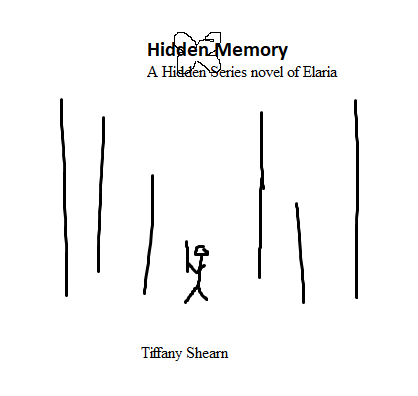
I helpfully provided a detailed example of what I imagined it would look like.

First cut, I had to change the figure a bit, as the wings needed to be larger to fit with the story. Now she is wrapped up in them fully like a wrap dress or chainmail. We also went back and forth on font a few times, as this was about the book and not the art, so we needed the title to pop out at you. The first font selected also looked more like a romance novel, so we ended up changing that out.

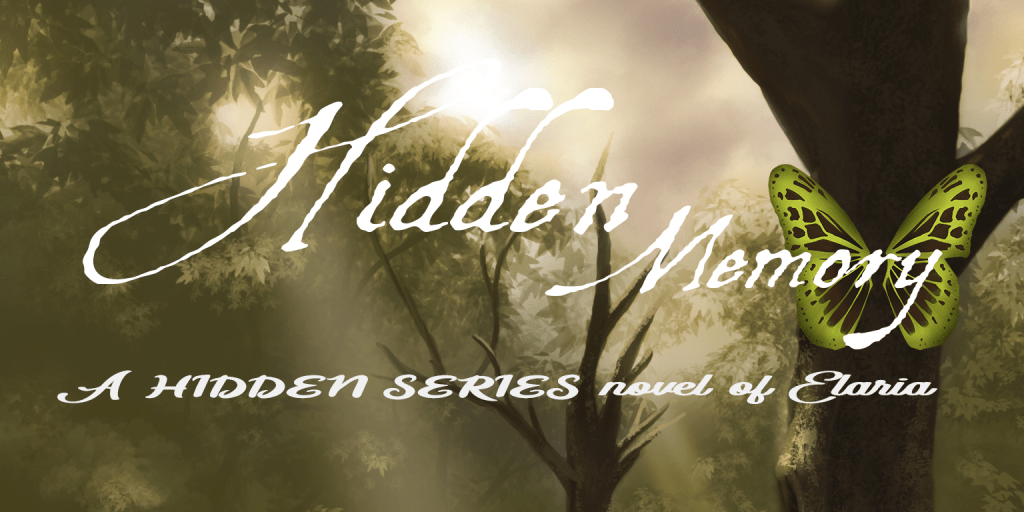
The original flowy font had my test group (friends) thinking romance novel.

I researched other novel covers. The layout, the font(s) used, and the colors are all very important, as a cover is part of the book advertising. If I had to highlight only one lesson learned from this process, it would be to do more research about covers up front to determine more than only what I want the image to look like. The positioning and fonts used are just as important, and I will have more specific preferences for them at the start when I do this again.

I ended up going to Font Squirrel and searching for the Cinzel fonts for my cover. This is a font available for free download and use at &Discover. I described the font as striking with elegance when I was sharing it with my test group. The change was amazing and I loved how it fit the theme I was going for much better than before.

A big thank you to artist Jonathan Lebel for working with me on this cover. You can see his work on ArtStation at this link, and I’m sure it will not be difficult to spot the images that had me reaching out to him. He also provided the butterfly wings you now see at the top of my website pages. Should you happen to pick up my book once it is out, you can read all about those wings. More goals for 2021!