Urg Did Not Stick to the Plan

When we left our intrepid explorers of Undermountain, Urg was being chased by mysterious creatures, Ashe was running toward the boat, and the rest of the group was cursing Urg’s name and kicking up pebbles.

The Race is On

By the time Urg made it to the source of the wailing, Ashe was at the gondola and pushing away from the riverbank to pick up his party. The gondolier plied the vessel steadily upriver, his strokes with the pole sure and smooth from his decades, centuries, and more at the task.

They moved quickly. It was a relatively straight shot to the northeast following the waterway. Someone saw him approaching and called out to the party milling about, so they gathered on shore for his arrival. Ashe swore upon hearing of Urg’s apparent “heroics.”

“We should wait here,” said Valorik.

“Or take the boat to our first landing spot,” offered Hudson.

“But what if he runs back here and we’re gone?” Rose asked.

Ashe sighed, flipped the gondolier a copper, and jumped to the shore. “I guess you all take the boat back, and I will run from this side to give him some backup if he does come this way.”

So saying, he took off running again as the party climbed aboard and requested a trip downriver once more.

Death Glare

The caverns were windy, going back and forth, carved through the stone of Undermountain. While he could not see them, Urg could hear the pounding of feet and the click of chitinous legs following behind him.

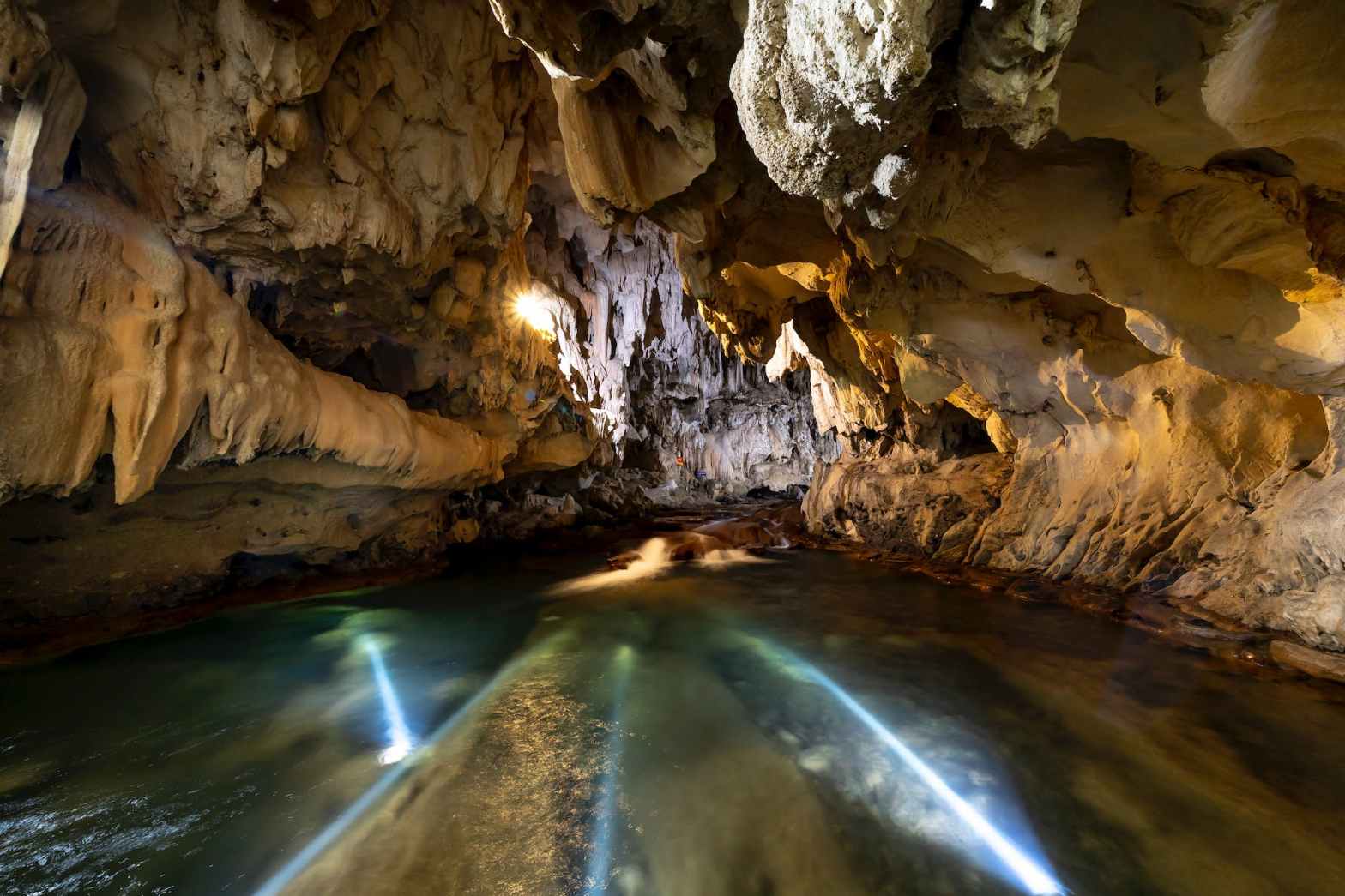
He ran. On and on. Past the broken cauldron, past the geyser cavern leading toward the upriver shore, past the chains then empty of prisoners. The cave took a wide turn and straightened out. He could smell the change in the air, a crisp scent of free-flowing water.

A coven of sea hags rounded the corner behind him with their giant crab pets all in pursuit. A blast of lightning shot from the hands of the one they had spoken to earlier, hitting him square in the back. A shock ran through him, his muscles tightening, and Urg stumbled forward.
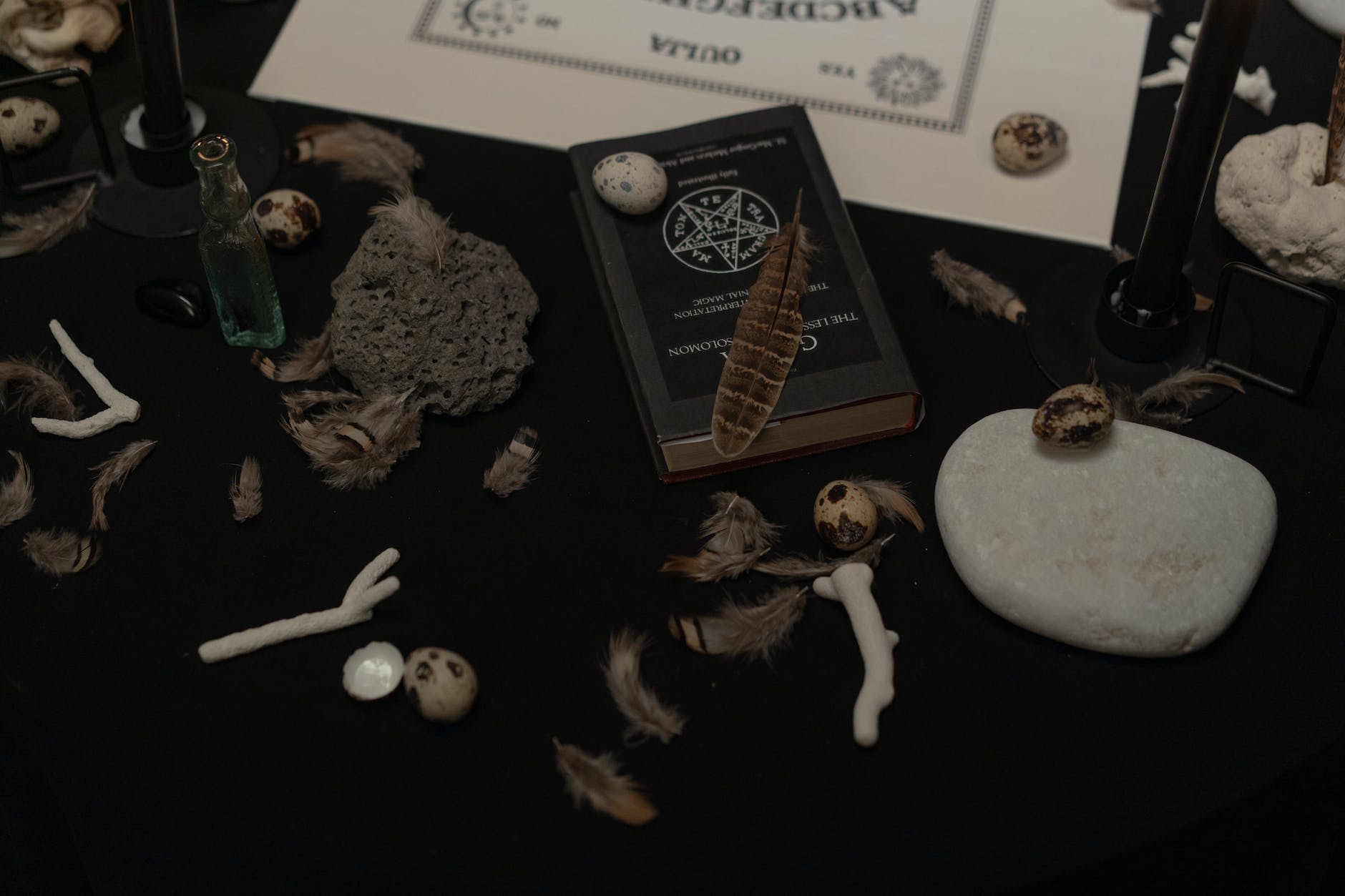
Tools of their trade.

He kept his feet and ran on, but moments later another blast of magic hit him, freezing him in place. His momentum carried him forward. Urg crashed to the ground, rolled, and slid a few feet before stopping. His shield lay frozen on his arm and his hand clutched uselessly at his weapon.

The crabs descended on him in a frenzy, swiping at him with blind fury and finding purchase only on his shield. Their masters were not so blinded by animal rage. The sea hags slowed and closed in on him. His unblinking eyes met the gross visage of the closest hag, and she smiled at him with sharp, slime-coated teeth. Urg’s will cracked, and his life drained away.

To the Rescue

Not having to wind through the caves, and having the flow of the river with them, the boat arrived back at the riverbank much quicker than Urg’s running could take him there. Tossing their payment to the boat’s master, they jumped off and headed into the cave.

Seeing a figure lying motionless amid the mob of creatures, Valorik charged forward while Rose’s stout little legs carried her forward with surprising speed. They attacked, and Hudson shot off a spell of his own as he got in range. The hags turned their baleful eyes on the interfering group. Hudson shook off the effects, but Valorik went down beside Urg, his life slowly fading away.

They fought, targeting one of the hags without consideration for the damage from the rest. The coven must be broken. Blows rained down and spells shot out. Finally, one of the crabs reared up as its hag master fell to a critical strike. Injured and weary, the group turned to deal with the rest, and Hudson risked himself to run forward with a healing potion in hand to revive one of their fallen companions.

The breaking of the coven gave them hope, but the achievement had taken its toll on the group. They wondered if they would yet fall to the remaining hags. Hudson teleported away with Urg’s still prone form, leaving devastation in his wake. The crabs dropped, but the hags only became more determined.

Ashe, winded but still running strong, burst silently around the turn in the cave to see his friends fully engaged. He took aim. With surprise on his side, he delivered a devastating shot to one of the two remaining hags, turning the lasting fight into quick clean-up work.

Bloody and exhausted, they healed Urg, primarily so they could berate him for his poor decision-making and listening skills.

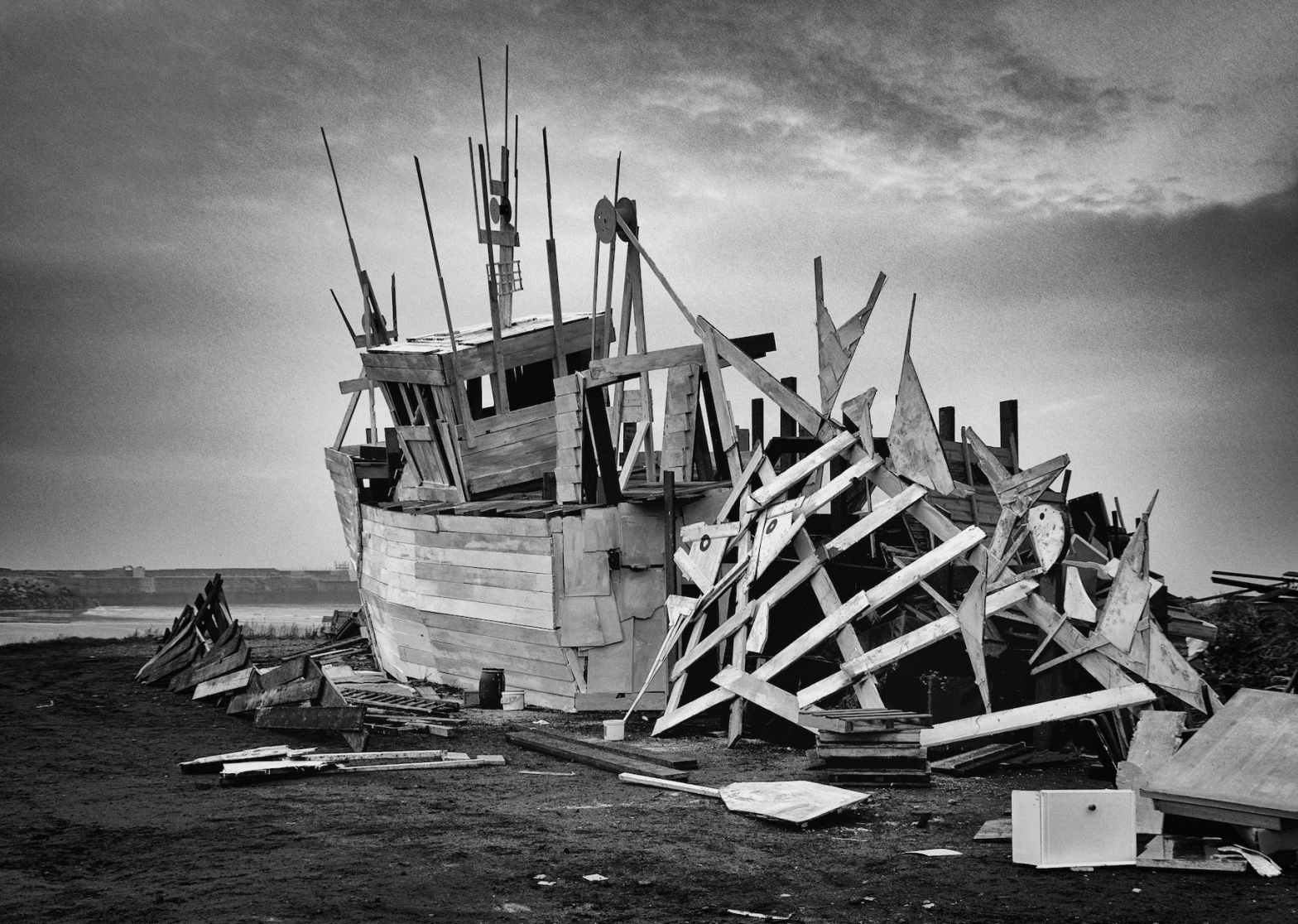
Urg, Stick to the Plan!

Our monthly D&D session last week had another fun bit of chaos I thought I would use this week’s blog post to share with you all.

Setting the Scene

Our group of intrepid explorers was waiting for information from their contacts in Skullport, so they decided to spend the time exploring the other side of the river. Deciding to brave the gondola guided by the tiefling skeleton, the group stumbled across a dark cave where a young boy and a goblin were imprisoned.

After some investigation, they discovered the boy had been washed down into Undermountain. His friend escaped the sea’s pull, while he was swept away and captured by some hags. They sent the goblin on his way and freed the boy. He lingered in the back as the group prepared to engage the hags, poking around in murky pools. One slimy hand emerged, then another, and a hideous hag dragged herself from the water.

Fully prepared for a fight, her polite inquiries caught the group off guard, and they stutteringly shifted to conversation mode. After providing some brief information, she ushered the group on their way, out toward the river and away from the yet-unexplored cave in the back.

The Plan

Their boat was back at the other beach downriver. They were left with two options: swim or try to go back through the hag’s territory. It was unlikely the entire group could sneak through the cave, but their rogue, Ashe, might be able to make it. Taking their signal whistle in case he ran into problems, Ashe made it through the main cavern and back to the caves further in, intending to bring the boat upriver to the group.

He there faced a choice. To the right was the way back to the boat. To the left was the unexplored section of the cave. Being the aspiring legendary thief, he naturally went left and ended up at a large cavern filled with shipwrecks piled high on one side. A ship’s figurehead looked on from across the room, and a well-preserved Crowsnest towered high over the pile.

Curious as to what might be contained within, Ashe began to climb the pile toward the platform above. About ten feet from his goal, the figurehead behind him, a banshee, began to wail. The piercing sound echoed through the chamber and down the halls. Ashe dropped back down and ran.

Disagreement

While Ashe sprinted down the unfamiliar corridors, his party argued.

“That’s our cue,” Urg stated, spoiling for the previously averted fight.

“He said he would use the whistle,” countered Anakis. “That is not the whistle.”

“Yeah,” Rose agreed. “He’s fast, like me. He can get to the boat, and we should be here when he returns so he doesn’t get lost looking for us.”

Urg shook his head. “We can’t just leave him. I’m going.” So saying, he took off running toward the source of the wailing.

Ashe ran toward the boat. Urg ran toward the sound. The party stood on the shore muttering about bad decisions.

As Urg approached the source of the cacophony, it suddenly cut off. “Ashe?!” he called out.

The only response was the clicking and scraping of chitinous legs on stone.

“Uh oh,” he thought and turned to run again, this time toward where they had left the boat.

The End

Not really, but that is all the time I have for blogging today, so tune in next week for the thrilling conclusion to this comedy of errors!

Happy weekend all!

Control of Skullport

We had another entertaining session of D&D this week. This one felt especially well-rounded from the perspective of character role diversity. The rogue snuck around, spying out the landscape while the battle master scouted the enemies for strategic knowledge. In one fight, there was an epic mage duel, and the halfling monk got to run through the effects of a Cloud Kill spell to end the threat.

Overall, the session had great party dynamics with creative use of individual skills and abilities. They also did a great job of leveraging their contacts and connections to minimize their risk of exposure while still taking action to gather the needed intelligence. I next need to figure out what that intelligence will be, but this approach also gives me more time to make the information more dynamic. This part of the role-playing of D&D is fun for me, and I’m enjoying how the players are interacting with the world.

The latest decision on their plate is “Who should control Skullport?” None of their options are good. It is Undermountain, after all. Xanathar’s Guild, their current nemesis, holds sway over the underground town. A Drow house from the Underdark is making a play for it, but they are limited to river access, with a long-established group of hobgoblins controlling the other primary access points from level three of Undermountain.

Those hobgoblins have asked the players for help recovering something stolen. The recent theft has placed them at a distinct disadvantage, and the group finds themselves caught between the Drow threat and continuing pressure from Xanathar’s Guild – who the players find out have already been infiltrating the hobgoblins via strategic placement of intellect devourers. Azrok, the hobgoblin leader, is already hosting an unwanted guest from Xanather that he cannot afford to refuse.

The hobgoblins are likely the ideal group of the three to help give control of Skullport, but they might already be too far gone to help. Xanathar’s Guild wants them dead on sight, with a bounty on their heads for the “theft” of massive wealth up in Waterdeep. Then again, are Drow who attack intruders on sight likely to be good and gentle stewards who will allow them free passage if they gain control? Can any of them be trusted?

Probably not, but it makes for interesting gameplay. Skullport is likely to be a recurring visit as the group continues, so I’m excited to see the long-play on this and how the situation evolves over time…as long as they don’t TPK before then.

Mwahahahahah!

Player vs Reader

Yesterday I hosted one of our periodic Saturday D&D sessions. They are always fun, with way too many salty and sugary snacks to munch on and ruin our dinner, which we eat even though we are still ninety percent full. In general, it is always a good time had by all, with enough breaks to satisfy our need for generic conversation between bouts of role-playing. 

My books came up at some point (yay!). I am happy to report my alpha reader is “enjoying the fourth book so far.” The combination of discussing my books and an article my partner is reading about the art of game mastering set us thinking about the different approaches needed for a player audience compared to a reading audience. 

I believe the article he is reading was written by The Angry GM, as he follows that creator for TTRPG content. The article referenced how the GM should present the facts to the players: what their PCs (player characters) sense or perceive. However, they should not provide what the PCs intuit. My second-hand understanding is that the argument for this is that a TTRPG, by its nature, can only challenge the players mentally. Making intuitive connections for them takes away from that challenge. 

Writing for my readers, I am presenting the story and the characters. My characters must figure out the puzzles and face the challenges thrown in their path. The reader joins Annalla on her journey, perceiving the world through her experience and thoughts. They might figure something out before her and feel proud when their assumption proves correct, or they could be surprised by a curve I throw their way. Perhaps my character’s thoughts or actions reveal a twist to them that they did not intuit with the meager literary breadcrumbs provided. 

For writing my books, it does not matter as much if the reader catches those clues or not. My cleverly laid trail will reveal itself eventually. Perhaps the books deserve another read-through to find all the little pieces missed on the first pass that become so clear at the end. Some of my favorite books include this aspect, and it does not even need to be a massive twist. Sometimes the smallest reveals are the most memorable. 

Unfortunately, when it comes to my D&D game, I need the players to put the clues together, and the task is made more challenging with a boxed campaign. With a homebrew campaign, I could utilize common references, but with a pre-made campaign, I must try to translate to our common references where I can or hope they do at least some investigation. 

Breadcrumbs

I told my players multiple times they should not treat this dungeon like a run-and-gun, first-person shooter. Each level is like a little town with factions, social dynamics, the town proper, and the outskirts. If they run through the place fighting everything and everyone they come across, they will end up with a total party wipe and effectively lose the game. 

After facing a large group of hostile Drow in the prior session, they started the day by scouting to get the lay of the land. They found the river and some rafts, evidence of fighting, evidence of Drow killing troglodytes, more Drow watching the river, and a good size hobgoblin patrol guarding one area. Their eventual decision is to lure the hobgoblins into an ambush so they can get past them. It’s not a bad decision, and I liked the planning that went into the approach and thinking about using their scouting and the terrain to their advantage. They also had some hostile encounters with hobgoblins on prior levels, so assuming hostility was not unwarranted. 

However, there are two lingering concerns in my mind. First, they did not really interact much with the breadcrumbs left for them. The biggest oversight was the evidence of fighting throughout the tunnels. They asked if they could discern anything from the blood on the floor, but only once when they peeked at it from around a corner, down the hall across the room. “No, you are too far away.” They did not ask again. 

DM: “You see a fork in the road with a signpost between the paths hidden behind some brush.”

Players: “We go to the right.”

Part of the problem was the troglodytes. Their presence likely pushed an incorrect assumption on the players. While they are perfectly fine questioning me at every turn, they firmly believe their assumptions are infallible. I can try to minimize the troglodyte red herrings, but the other issue is for them to address before I stop beating them over the head with the breadcrumbs and start leaving the trail as intended. 

The second concern came when the attempt to lure the hobgoblins out failed. Instead of chasing, they called out, “Who goes there?” When the unexpected happens, you often have three options: fight, flight, or freeze. In reaction terms here: attack them, flee to regroup, or hold your ground and have a chat. In my opinion, you can always attack. That should generally be the last course of action because it effectively eliminates your other options. After attacking, you can’t talk to them, you limit your ability to escape, and potentially add another enemy to a growing list. 

Any conversation, no matter how short, is an opportunity for information gathering. Rather than talking, though, the players effectively said, “Well, the ambush is off. Charge!”

Forward

We only play once a month, so I cannot expect them to follow the long, meandering trail of information without some guiding lights from me. However, the immediate, in-session breadcrumbs bear a reasonable expectation of being gleaned and followed. 

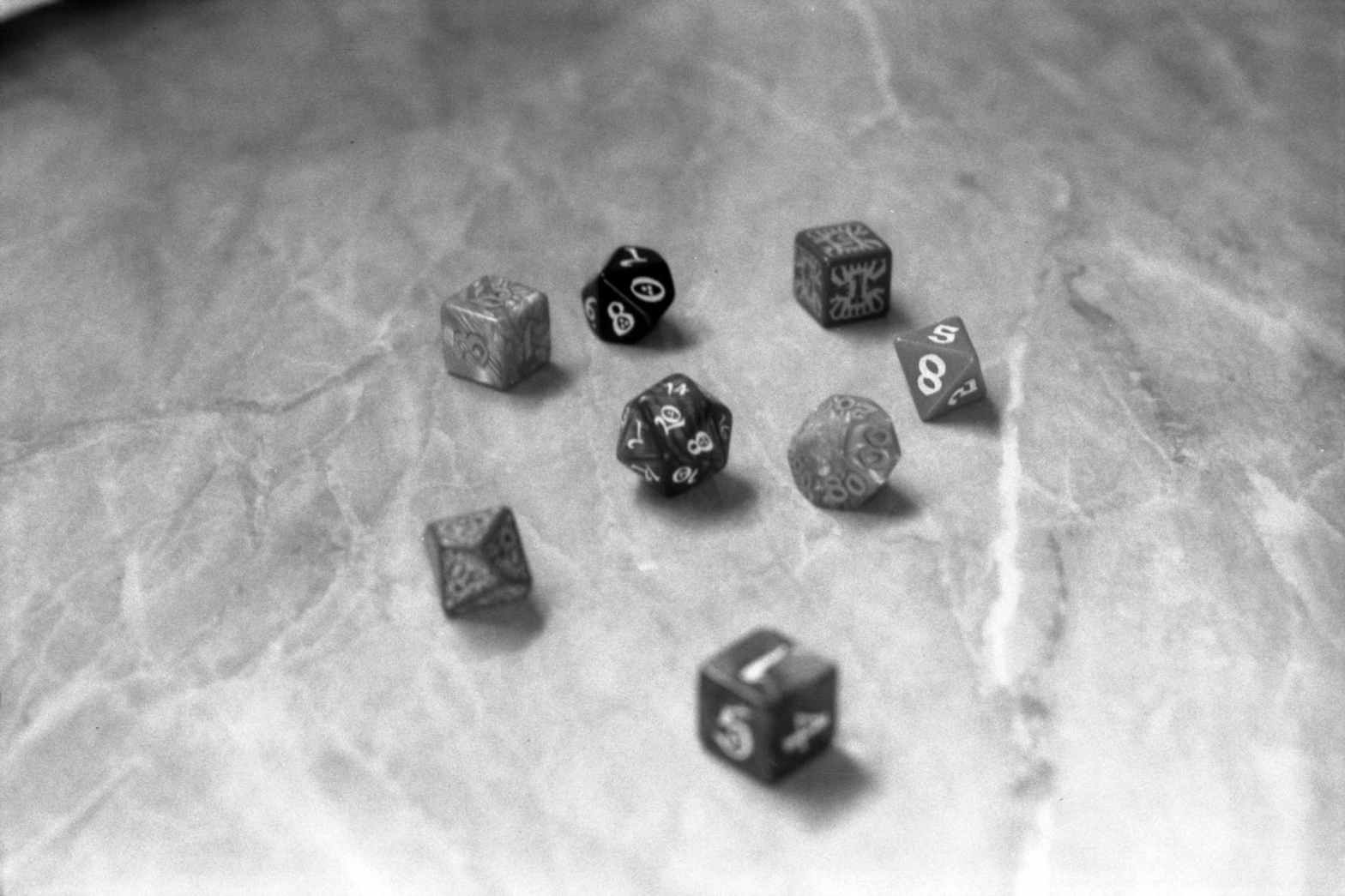
I will not remove this aspect and nerf the levels to allow for a run-and-run playstyle, as I don’t think that kind of game is fun for long. The little clues make the world more alive and engage the players’ minds. As the article (as told to me) said, rolling a fourteen on a D20 is not a challenge for the players. It’s the little puzzles and discoveries making up the meat of the game. If we don’t find the happy balance, the Half-Pints will become lost in Undermountain forever, disappearing as so many adventuring parties before them. 

Side Quest

*Quick reminder: I will be adding a deleted chapter to the website if I reach 40 total reviews for my books on Amazon, so if you have time, please consider going onto Amazon and leaving a rating/review. Thank you!*

I have been running Dungeon of The Mad Mage for my D&D group for about a year and a half of monthly sessions. To mix things up a bit and get them some extra XP for my sixth PC, I have added a little side quest to their Mad Mage delve. I’m calling it: the Nightmare King’s Realm, and it will consist of three “levels” accessed via three different levels of Under mountain.

Concept

These side quest levels are inserted as a game within the game. Each player created a new PC for their Mad Mage character to play. Too meta? Eh, even down the rabbit hole, it is still the player playing a PC. No need to overthink it. This is a chance to try something new or something you have not been able to play in a while. Massive dungeons can also feel stagnant, so this changes the game in a way that doesn’t disrupt the broader storyline.

Introduction

When asking about a specific magic item, one of my PCs was told of a realm that could provide you with any item you might dream. The catch was if you do not complete all three levels before a year and a day passes, then you will never leave. Your body disappears forever, and you become part of the game.

Curious, and wanting those magic items, the party traded for the key allowing them access to this mystical realm. The door to the first level was said to be on the dungeon’s third floor. As they approached the base of the stairs leading down, a glow drew them down a corridor.

At the base of the stairs, a tunnel comes into sight as Ashe draws near. You follow it a short distance to what appears to be a dead-end, but as you approach, an arched door shimmers into existence, glowing with a malevolent purple light. A detailed jungle carving glowing a sickly green takes up most of the door, with a plaque in the center engraved with words. ​

The carving details appear almost lifelike, as though a jungle wilderness opens incongruously before you through the end of this subterranean tunnel. While there is no door handle, a metal panel with a keyhole matching the metal of the key given to you is set where a handle should be.

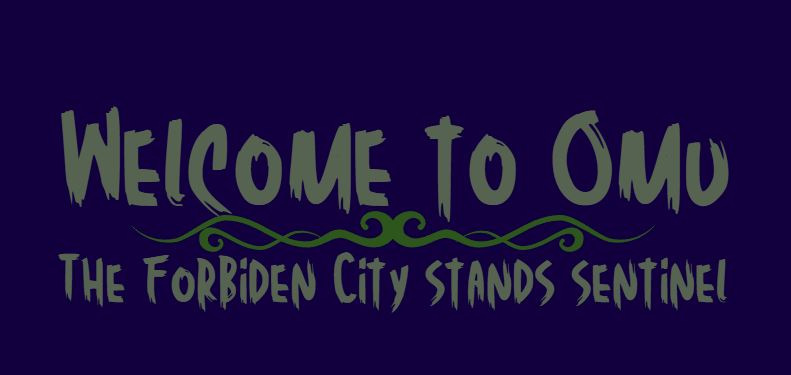
Above the plaque, stylized lettering carved into the door reads: Welcome to Omu. The Forbidden City stands sentinel.

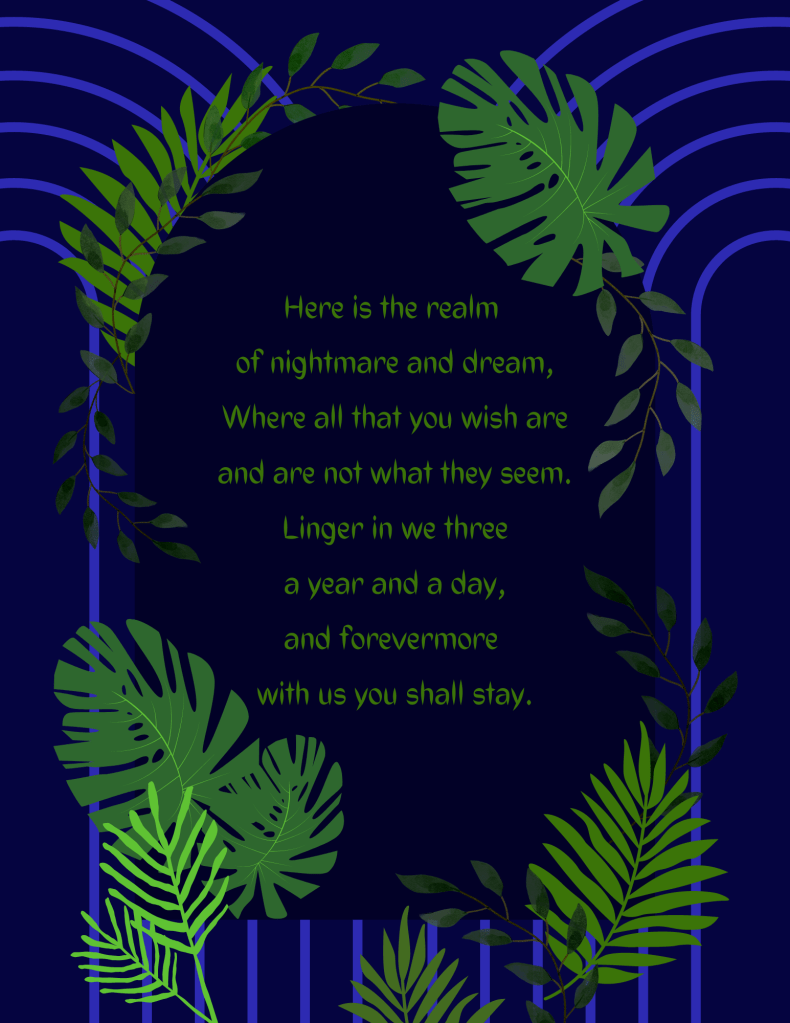
Stepping closer, you can make out the words engraved upon the plaque.

Withdrawing the key from your pocket, you look at your party one last time to receive their nods and shrugs of acceptance. You insert the key and turn it, hearing a faint click. The glow from the door flares, and your world turns black.

Mechanics

For the fun part… I’m running pieces from Tomb of Annihilation and Tomb of Horrors for these levels. There will also be no death saves. If your PC drops to zero hit points, they die. As this is a game within a game, there are respawn mechanics. I am not sharing those here though. some of this my players have to figure out as they go, and a couple of them read my blog posts.

Time passing in this game will also be different. Playtime and their actions in-game will translate to time passing in Mad Mage and tie back to the “year and a day” timeframe. There will be no rations or water needed, but some conditions will last specific in-game durations.

They will need to defeat enemies and monsters, solve puzzles, and find the keys to escape the level. If at first, they don’t succeed? Try, try again. Just don’t die too much. If certain conditions are met, it will not only be these PCs to suffer. They could end up killing their Mad Mage characters as well.